 PromptDirectorEN免费安装插件
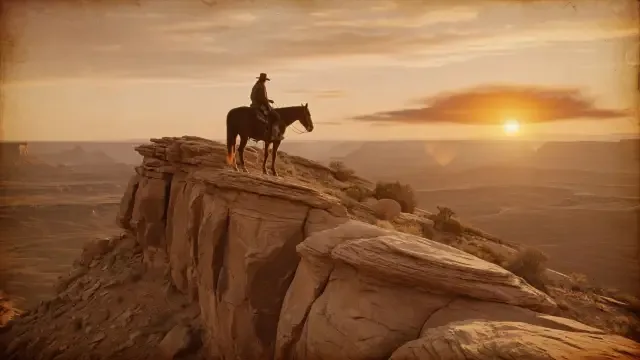
Sepia
完整提示词
Sepia Sepia tone in sepia tone film maps the grey scale onto brown-gold instead of neutral silver, so whites go toward faded paper and blacks toward umber. It is a color of the past as chemistry, not a warm grade on a full-hue world. Create this Sepia Narrative function A story that already happened often arrives in this brown. Photographs, memory inserts, and period chapters use it because the audience has been trained by albumen and toned prints. Faded whites, tobacco mids, no true cyan sky. It is the wrong tool when the present should still have a full palette that happens to be warm. That is Warm Amber or a Filmic Faded print with hues intact. It is also the wrong tool for true Monochrome silver. If the whole movie is a dusty yellow-brown but still has distinct reds and greens, you are in a restricted Palette or a period DI, not sepia toning. How it works Start from a monochrome or low-chroma image and tone highlights toward paper-gold, mids toward brown, shadows toward umber. Keep cyan and clean white out. Grain can sit in the mids as in a print. Do not overlay a brown sticker on a saturated modern grade and call it sepia. Prompt: Sepia tonality on [Subject], brown-gold memory, faded whites, the past as a color, not a filter sticker. When to use it Use it for a chapter that already happened: a memory, a found photograph, a prologue. Do not use it as a synonym for any warm movie, and do not leave full modern chroma under the brown. Compared with similar shots Monochrome is neutral silver. Warm Amber keeps full color in a honey world. Filmic Faded lifts blacks and rolls highlights while usually retaining hues. Vintage is a broader period chemistry look that may include sepia but also dye fade and Halation. Filmic FadedNot HDR. A print. Warm AmberHome, memory, or invitation. Teal and OrangeYou want contemporary studio punch. Use with taste. In film The Godfather Part II uses warmer, aged memory color for earlier time. O Brother, Where Art Thou? is a digital period finish in dusty yellow-brown, a cousin often cited when people say sepia. Treat those as grammar for past-as-tone, not as frames to copy. Prompt it Map the scale to brown-gold. Sepia tonality on [Subject], brown-gold memory, faded whites, the past as a color, not a filter sticker. Ban cyan skies and saturated reds. Do not write warm amber full color. Use in Image Generator Sepia tonality on [Subject], brown-gold memory, faded whites, the past as a color, not a filter sticker. What usually goes wrong The usual wrong cousin is Warm Amber (full hue, honey mids) or a Instagram brown on a color image. The tell is green trees and blue jeans still speaking as themselves under a wash. Fix: brown-gold scale, faded whites, almost no leftover modern hue. Questions What is sepia in film? It is a toning of the grey scale into brown-gold, like a chemical print. The past reads as a color. It is not simply a warm grade on a modern palette. Sepia vs Warm Amber Warm amber keeps reds, skin, and lamps as full color in a honey world. Sepia replaces the grey scale with brown-gold and drops modern chroma. One is a grade of a color image. The other is a toned print. When should I use sepia? Use it when a story already happened and should look like a toned photograph or memory chapter. Skip it for present-tense warm interiors. How do I prompt sepia for AI image or video? Write: Sepia tonality on [Subject], brown-gold memory, faded whites, the past as a color, not a filter sticker. Forbid cyan, saturated primaries, and a full-color amber grade. Melies can generate this Sepia Melies is the AI filmmaking workspace. This Sepia opens with the grade prompt loaded, so the look is in the photography instead of a LUT dumped at the end. Sepia tonality on [Subject], brown-gold memory, faded whites, the past as a color, not a filter sticker.
归原作者或其他权利人