 PromptDirector中文Get the extension
Natural Grade
Original prompt
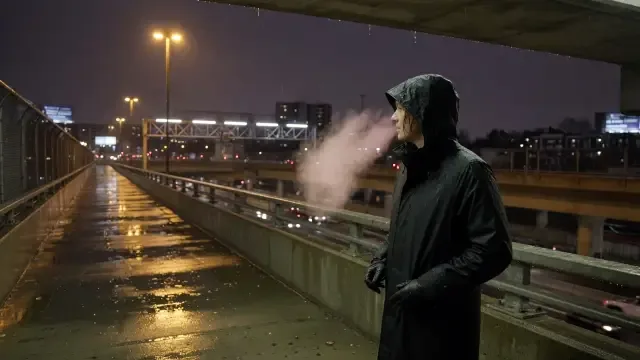
Natural Grade A natural color grade keeps skin faithful and saturation restrained so the location's real color science remains the authority. No stylized split, no silver punishment, no fever: the grade mostly refuses to editorialize hue. Create this Natural Grade Narrative function Style would be a lie. A holiday video that is actually grief, a village in true sun, a fluorescent shop that should stay ugly: the audience is asked to believe the place, not a lookbook. Fidelity is the point, which is harder than a LUT because every mistake shows as fakery. It is the wrong tool when color must carry a version of the story (Palette, Color Shift) or when the world is merciless silver (Bleach Bypass). Filmic Faded can still be fairly natural in hue while lifting the toe; natural-grade is about hue honesty first. Available Light is how you captured it; you can still ruin that capture with a stylized grade. How it works Balance to a plausible white for the location and time of day. Hold skin in a real range (blood, melanin, no teal faces, no plastic orange). Restrain saturation; do not invent complementary walls. Contrast should match the light you shot, not a trailer. Prompt: Natural grade on [Subject], faithful skin, restrained saturation, no stylized split, the location's real color science. When to use it Use it when style would be a lie: a documentary-adjacent drama, a sunlit memory that must stay ordinary. Do not use it if the beat is a designed palette, a fever, or a complementary poster. Compared with similar shots Available Light is the capture sources. Filmic Faded is a print curve that may still be honest in hue. Teal and Orange and Split Toning editorialize the wheel. Warm Amber and Cool Blue are overall biases. Natural-grade refuses those biases except what the location already had. Available LightCommit to the hour you have. Filmic FadedNot HDR. A print. Teal and OrangeYou want contemporary studio punch. Use with taste. In film Aftersun lets holiday light stay plausible so the grief is not costumed in a look. Timbuktu holds desert and village color as themselves. Grammar of restraint, not a still to match. Prompt it Forbid the splits by name. Natural grade on [Subject], faithful skin, restrained saturation, no stylized split, the location's real color science. Name the real place and time of day. Do not write teal-orange, bleach-bypass, or fever saturation. Use in Image Generator Natural grade on [Subject], faithful skin, restrained saturation, no stylized split, the location's real color science. What usually goes wrong The usual wrong cousin is a mild Teal and Orange or a Filmic Faded LUT that still splits hues. The tell is cyan shadows under 'natural', or plastic skin. Fix: faithful skin, location-true walls and sky, no complementary law, restrained chroma. Questions What is a natural grade in film? It is a color finish that keeps skin faithful and saturation restrained, so the location's real hues remain in charge. The grade refuses a stylized split or a fever. Natural Grade vs Filmic Faded Filmic faded is about the print curve: lifted blacks, rolled highlights. A natural grade is about hue honesty. They can combine, but a faded print can still be teal-orange, which is no longer natural. When should I use a natural grade? Use it when a stylized look would be a lie. Skip it when palette, fever, silver, or a complementary split is the sentence. How do I prompt a natural grade for AI image or video? Write: Natural grade on [Subject], faithful skin, restrained saturation, no stylized split, the location's real color science. Name place and time. Forbid teal-orange and hyper-saturation. Melies can generate this Natural Grade Melies is the AI filmmaking workspace. This Natural Grade opens with the grade prompt loaded, so the look is in the photography instead of a LUT dumped at the end. Natural grade on [Subject], faithful skin, restrained saturation, no stylized split, the location's real color science.
Rights belong to the original creator or other rights holders