 PromptDirector中文Get the extension
Look Space
Original prompt
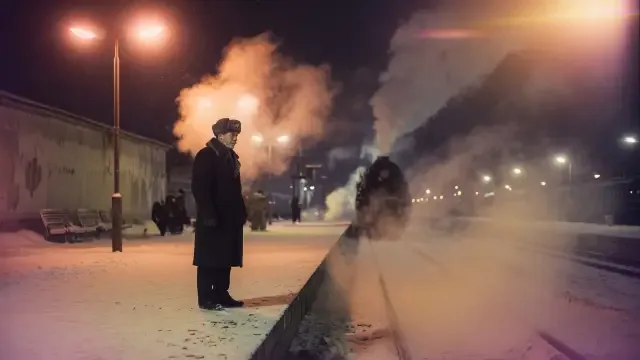
Look Space Look-object relationshipRaccord regard Look space framing is the field in front of a gaze, the air a look owns, often because the important object is off-screen. In cutting, that look may be joined to what is seen (raccord regard, the look-object relationship). Create this Look Space Narrative function A face and a rectangle of unused air can be a whole scene. We wait for the object: a person entering, a painting, a courtyard window. The subject does not own the surplus. The unseen does. It is the wrong tool when there is no look. Empty space beside a face that stares into lens is not look-space. It is leftover. If you need the object on-screen, put it there and stop pretending the air is a mystery. Look-space is the composition. The POV cut is the completion. You can hold the look and never pay off, which is a different cruelty. How it works Place more frame in the gaze direction than behind the head, unless you are short-siding. Match the height and direction of the look if the next shot is the object. A profile or three-quarter makes the owned field obvious. Do not fill that field with competing faces unless the competition is the point. Prompt: Generous look space for [Subject], the off-screen gaze owning a field of air, tension in what we cannot see. When to use it Use it when the object of attention is off-screen or about to enter: a watcher, a painter, a sniper, a lover at a door. Do not leave dead air beside a to-camera interview and call it a look. Compared with similar shots Lead Room includes motion and classical manners for a walk. Look-space is specifically the gaze, especially toward an off-screen object. Point of View is the shot of what they see. Look-space is the shot of them seeing. Short Siding withholds this field. Reaction Shot may be a look with almost no space if the face is the whole event. Frame within Frame can put the object in a window inside the look-space. Lead RoomThey are going somewhere, even if standing. Point of ViewForce identification. The audience is the character. Rule of ThirdsDefault dynamic balance. Break it later on purpose. In film Rear Window builds Jeff's looks and then pays them with courtyard activity. Portrait of a Lady on Fire makes looking the subject, space between painter and model as the true field. The Stendhal Syndrome matches Anna's looks to museum paintings. Grammar of eyeline, not a tourist view to copy. Rear Window 1954Jeff looks out, followed by views of courtyard activity. The Stendhal Syndrome 1996Anna’s looks are matched to museum paintings. Prompt it Give the gaze a field and keep the object off unless you want it. Generous look space for [Subject], the off-screen gaze owning a field of air, tension in what we cannot see. Say looking screen-left into empty frame, object not shown. If you will cut to Point of View, write that as a second shot. Use in Video Generator Generate A: a seated woman looks upward and to her left toward a sound. Generate B: a slightly elevated wall clock seen from her seated side of the room. Generate C: return to her face as she understands she is late. Preserve look direction and plausible clock height. What usually goes wrong The usual wrong cousin is leftover wallpaper, or a false eyeline cut. The tell is empty space on the wrong side of the face, or a next shot the look could not geometrically reach. The fix is to put the surplus in the gaze direction and to match height and angle if you complete the look. Questions What is look space in film? It is the area of frame a gaze owns, usually ahead of the eyes. Often the important object is off-screen, so the air is tension. In editing, the look may be joined to a shot of what is seen. Look Space vs Lead Room Lead room is space in the direction of movement, and by extension a standing look. Look space is the gaze as a relationship to an object, present or withheld. A runner needs lead room. A watcher of a courtyard needs look-space. They overlap in a still profile. They are not the same job. When should I use look space? Use it when what matters is off-screen or about to arrive, and the face watching is the present tense. Do not confuse leftover margin on an interview with a look. How do I prompt look space for AI image or video? Point the eyes and empty the field they face. Example: Generous look space for [Subject], the off-screen gaze owning a field of air, tension in what we cannot see. Say the object is not in frame. For video, you can add a second shot as POV. Melies can generate this Look Space Melies is the AI filmmaking workspace. This Look Space opens with the framing prompt loaded, so the generator places the subject before you add a look. Generate A: a seated woman looks upward and to her left toward a sound. Generate B: a slightly elevated wall clock seen from her seated side of the room. Generate C: return to her face as she understands she is late. Preserve look direction and plausible clock height.
Rights belong to the original creator or other rights holders