 PromptDirector中文Get the extension
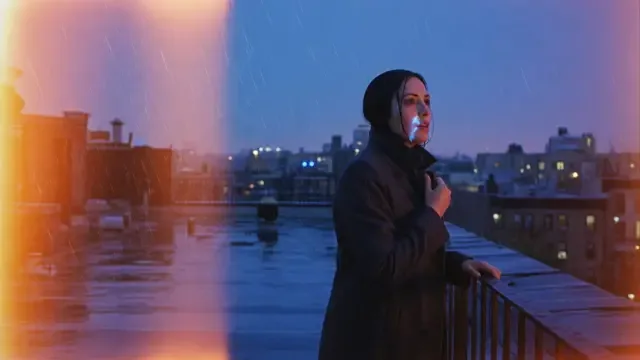
Light Leak
Original prompt
Light Leak A light leak in light leak film is unfiltered light that reaches the emulsion or sensor without passing through the taking lens, usually through a gap in the body, magazine, or gate. It fogs from the edge or along a scratch in the film path, often orange or red on color negative because it hits the base side. Create this Light Leak Narrative function The frame is wounded at the border. A wash of orange, red, or white eats density that the lens never saw. It feels like damaged time: a Super 8 cartridge, a clock not seated, a magazine door. The pictured lamps are innocent. Use it for memory, accident, or analog failure, when the camera body is part of the story. A leak can punctuate a cut or stain a whole take. It is the wrong tool as a default nostalgia grade on a clean digital interior. If the wash sits in the middle of the frame and tracks a pictured sun, you are describing flare, not a leak. If only highlight edges glow, that is halation. How it works Physically: open a gap at the magazine, leave a clock loose, or flash the film in loading. The fog often blooms from one edge and may shift as the film advances. Recreating it: edge-based, warm, additive fog that can clip, unrelated to sources in the set. Prompt: analog leak from the frame edge, orange or red, emulsion wound, not a lens flare from a lamp. When to use it An apartment portrait with an orange bite coming in from the left, as if the cartridge failed, while the window practicals remain ordinary. Do not center a golden wash on the sun in frame and call it a leak. Compared with similar shots Lens Flare enters through the glass and ghosts the source. A leak bypasses the glass. Halation is a halo around highlights already imaged. Film Grain is texture, not fog. Light Flash is a temporal blowout of the whole frame, often as a cut. A leak is a spatial stain, usually from the edge. HalationHighlights should bleed like film, not clip like video. Film GrainThe image should feel developed, not rendered. Lens FlareLight is too strong to be polite. In film Spring Breakers uses analog damage, including leaks and blown edges, as party-memory texture. Super 8 (2011) treats cartridge wounds as period accident. Home-movie Super 8 diaries are the grammar: edge fog, not a pictured lamp. Prompt it Put the wound on the edge, not on the sun. Example: Analog light leak washing [Subject], orange or red fog eating the frame edge, unfiltered light on the emulsion, not a source-linked lens flare. Use in Image Generator Analog light leak washing [Subject], orange or red flare eating the frame edge, a wound in the emulsion. What usually goes wrong Wrong cousin: lens flare or halation. Tell: the colored wash tracks a lamp in shot, or a red ring around a bulb with a clean frame edge. Fix: originate the fog from a body gap at the border, independent of pictured sources. Questions What is a light leak in film? Light that hits the film or sensor without going through the taking lens, usually from a gap in the camera body. It fogs the image, often from the edge. Light leak vs lens flare Flare is scatter inside the optic from a pictured or near-frame source. A leak bypasses the lens entirely. One ghosts a lamp. The other stains the emulsion. When should I use a light leak? When memory or analog accident should mark the frame. Do not use it as a default warmth filter, or when the sun in shot is the real cause. How do I prompt a light leak for AI image or video? Specify edge-origin orange or red fog, emulsion damage, and independence from lamps in the scene. Ban source-linked streaks. Melies can generate this Light Leak Melies is the AI filmmaking workspace. This Light Leak opens with the optical prompt loaded, so the effect has a physical cause in the frame. Analog light leak washing [Subject], orange or red flare eating the frame edge, a wound in the emulsion.
Rights belong to the original creator or other rights holders